Deliver Sessions meetup visited the Express Building in Ancoats in November 2026. Transform hosted the evening, which featured two talks and lots of discussion on the theme of helping teams through uncertainty.
Navigating uncertainty in complex software systems
We can build more software with less effort than at any other time in our industry, but this progress comes at a cost – increasing complexity, which can lead to uncertainty in how our software behaves. This talk explores how uncertainty shapes our decisions and what we can do to work better with complexity rather than against it.
— Jitesh Gosai is a Principal Tester in the BBC’s Mobile Group, working across the department on some of the UK’s biggest apps. With 20+ years in testing and quality engineering, he helps teams build quality in by improving feedback loops, testability, and ways of working that support learning in complex systems.
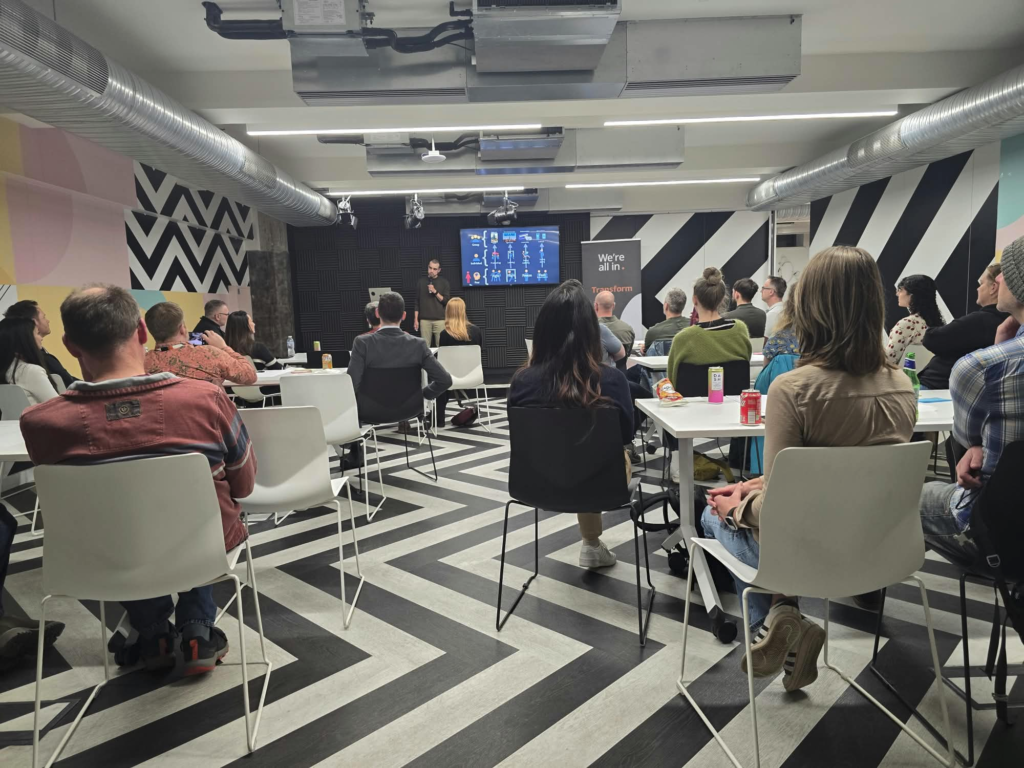
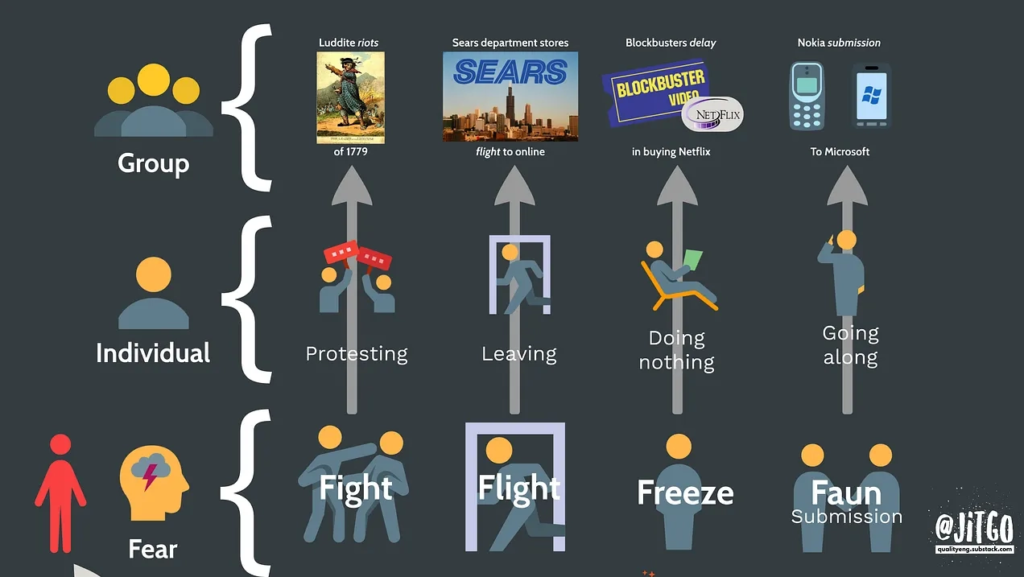
Some types of change seem easier to handle than others. Jitesh says a major difference can be in uncertainty: when it’s hard to predict what’s going to happen, it can feel like a physically uncomfortable situation. He talked about adrenaline, cortisol, and how we’re wired to behave in situations that trigger them.
“Our brains can’t tell the difference between a bear, and a change in our team’s ways of working.”
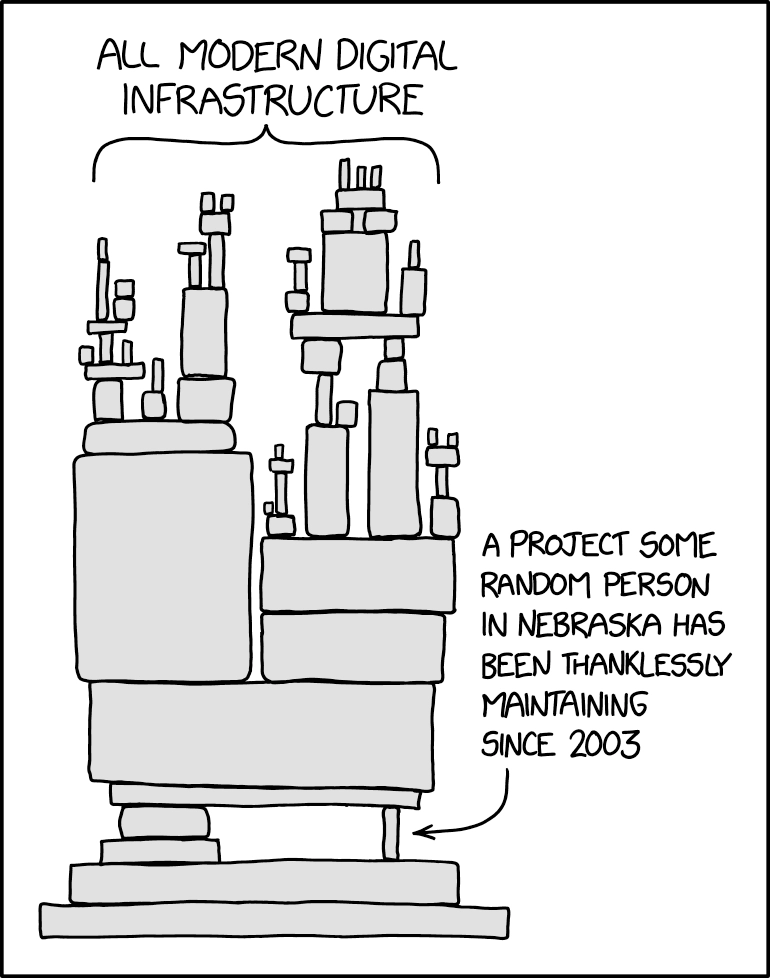
In software teams, we have to deal with uncertainty all the time: it’s hard to hold all the things our systems do in our heads. Code is complicated. You can simplify it by using other people’s packages without having to understand how they work. However… This makes things complex. We don’t understand the foundations we’re building on top of.
One response is to introduce more formal, rigorous testing, so you can be sure how your system works and behaves. Jitesh says this can work pretty well for systems that have a clear cause and effect, but starts to cost us more and more as systems get more complex. Trying to specify all the possible situations, to catch all the bugs that might arise, can lead to teams trying to add more and more people, or automating more of the testing, or just giving up (”ship it and find out”). None of these work as well as you might hope.
Jitesh recommends reframing testing: instead of “bug catching”, think of it as “uncertainty reduction”. He outlined lots of approaches to learning about which aspects of your system your team or stakeholders have the most uncertainty about, and how to try different options and evaluate how much they helped. He’s put together a detailed write-up of this talk and related articles, along with all the slides from this evening. And to hear more from Jitesh, you can sign up to his Quality Engineering Newsletter.
Using pre-mortems to prevent problems
Our planned second speaker was unexpectedly unavailable, but with just a few hours notice Andrew West-Moore and Sean Looney volunteered to run a workshop that fitted in nicely with the evening’s theme. Amazing work!
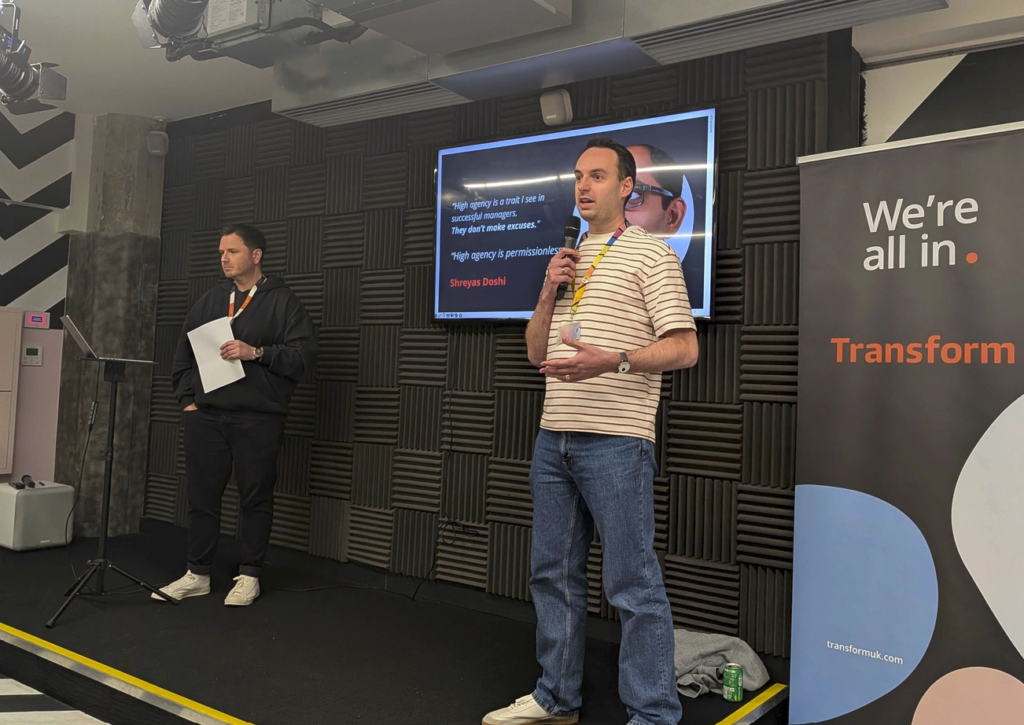
Predicting the future is a famously hard problem, but one tool that can help is a project pre-mortem. Andrew and Sean talked us through a format they used recently that helped their team identify a range of risks that might have tripped them up, and gave them a chance to avoid them.
The workshop was “Tigers, Paper Tigers, and Elephants” from Shreyas Doshi. We were given a fake (but convincing) scenario to work through in groups: read about the team’s current challenges, then imagine it’s all gone wrong from them 6 months from now. What caused it?
We used the format to come up with different threats and agreed which ones we were most worried about.

As noted in Shreyas’s article, project pre-mortems were first popularised by Gary Klein, a pioneer of Naturalistic Decision Making. I’ve learned a bit about Gary’s work before (see notes from my “How do you do that?” session) and was impressed with the way his “Sources of Power” book suggested using pre-mortems. Sometimes, when you’ve used your skill and experience to come up with a plan you’re happy with, it can be difficult to see problems with it — you’re too pleased with your own cleverness and don’t want to knock your great new ideas. Pre-mortems can help:
The idea is that they are breaking the emotional attachment to the plan’s success by taking on the challenge of showing their creativity and competence, by identifying likely sources of breakdown.
For another pre-mortem format, see my post Futurespectives: Learning from failures that haven’t happened yet.
Deliver Sessions: Back in 2027
Is it too soon for you to think about new year’s resolutions?
If you’ve only read about the meetup in this blog and haven’t made it to an in-real-life event yet, you could decide to change that in 2027. If you’re anywhere near Manchester, you should definitely come along — and if you live further away, I think it’s still worth a trip (I may be biased). You can register on Eventbrite to get emailed each time a new date gets announced.
Or, if you’re interested in public speaking or workshop facilitation, you could decide you’d like to do that at our meetup in 2027. We’re always on the lookout for speakers and can give you lots of support and encouragement. If you’re tempted, get in touch with me or one of the other organisers (Chris Burns and Zoe Rigley).
To pass the time until new Deliver Sessions dates appear, you might like to…
- Read about some past sessions: Deliver Sessions archives.
- Try a Christmas-themed coding challenge: I’m such a fan of Advent of Code, runs every December.
- Pick out a book to read: I’ve written a few “Book looks” on this blog that might give you ideas, that’s a habit I’d like to keep going.
Leave a Reply